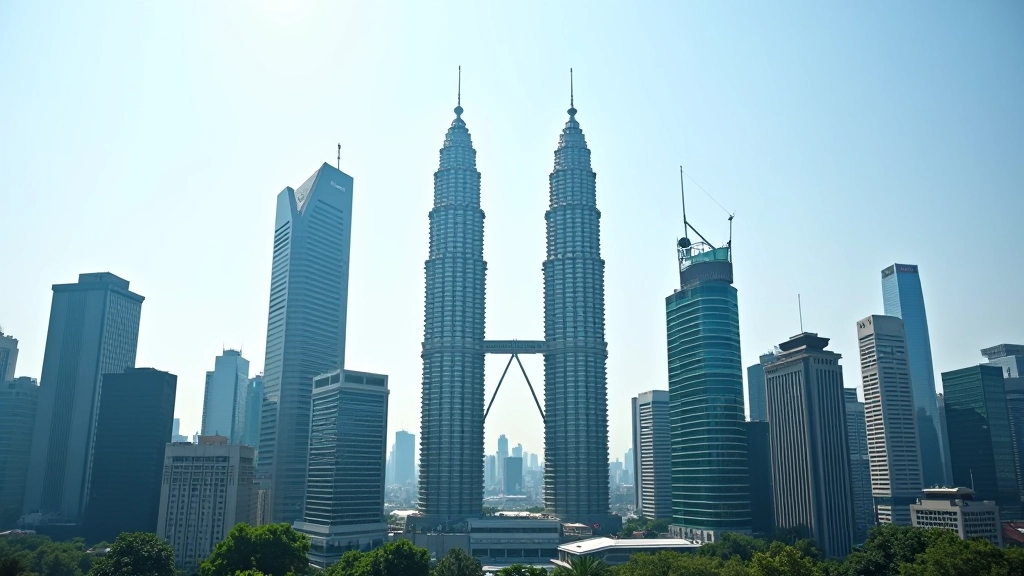
Oil and Gas Pricing Effects on Malaysia’s Economy
Understanding how global commodity price fluctuations shape government revenues, inflation rates, and consumer purchasing power across the nation
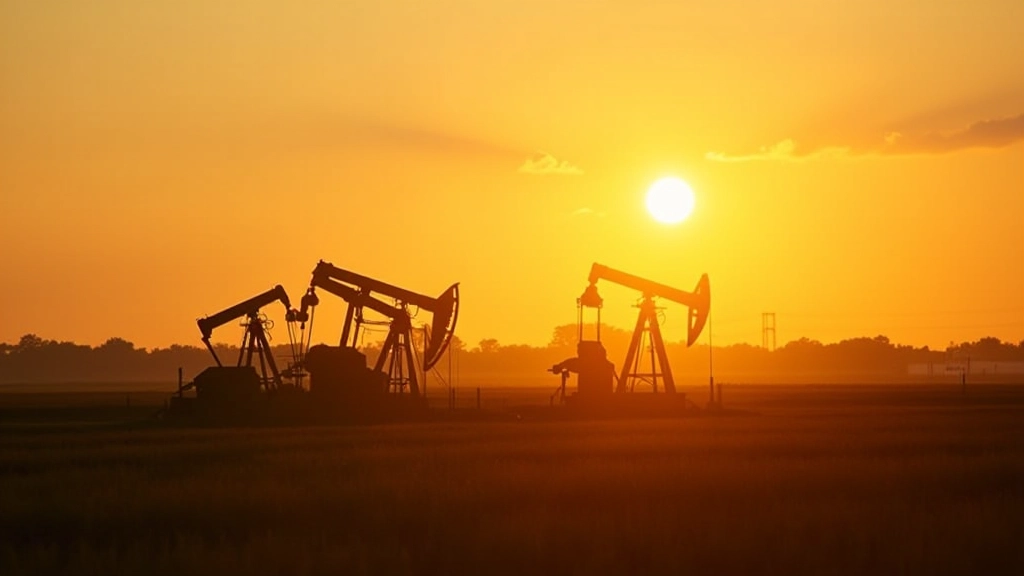
Why Oil Prices Matter for Malaysia
Malaysia’s economy isn’t disconnected from what happens in global energy markets. When crude oil prices shift — whether they’re climbing toward $100 per barrel or dropping to $40 — ripple effects spread across government budgets, inflation rates, and everyday purchasing power for millions of Malaysians.
The relationship is direct and measurable. Petronas, Malaysia’s national oil and gas company, contributes roughly 20-25% of government revenue during peak oil price periods. But here’s the catch: that percentage swings dramatically when prices drop. A sustained decline in oil prices doesn’t just affect Petronas profits — it reshapes entire economic policies, investment decisions, and household finances across the country.


Government Revenue and Fiscal Pressure
When oil prices drop from $80 to $50 per barrel, the Malaysian government doesn’t just lose a little money — the fiscal impact becomes severe. During the 2014-2016 oil price collapse, Petronas revenues fell by over 60% from their peak. That’s not a rounding error; that’s a structural challenge requiring immediate policy adjustments.
The government relies on oil revenues for infrastructure projects, education spending, healthcare, and social programs. Lower revenues mean tougher choices: either reduce spending or increase borrowing. Most years, it’s a combination of both. This fiscal pressure forces budget reallocations that ripple through the entire economy.
Plus, energy subsidies complicate everything. Malaysia historically subsidized fuel prices to protect consumers from global price volatility. When crude costs spike, subsidy bills balloon dramatically. The government absorbs the difference, further straining fiscal resources. Reform attempts — like gradual subsidy reduction — face public resistance but remain essential for long-term stability.
Inflation Dynamics and Consumer Impact
Oil prices don’t just affect government budgets — they shape what consumers pay for everything. Transportation costs, manufacturing, electricity generation, and fertilizer production all depend on energy prices. When crude surges, these costs ripple outward into the prices you see at the pump, the grocery store, and the utility bill.
Malaysia’s inflation rate responds directly to energy prices. A $20 per barrel increase typically translates to 1-2% inflation pressure, depending on other factors. During 2022, when oil climbed above $100 per barrel following geopolitical tensions, Malaysian inflation hit 4-5% — substantially above the central bank’s comfort zone. Consumers’ purchasing power declined noticeably, especially for working-class households spending 25-30% of income on transportation and food.
The mechanism isn’t mysterious. It’s straightforward economics. Diesel fuel powers delivery trucks. Gasoline moves commuters and workers. Petrochemicals feed manufacturing. When these inputs become expensive, businesses pass costs forward. Wages don’t always adjust quickly enough, so real purchasing power drops. Families making the same ringgit buy less.


Energy Subsidies and Long-Term Sustainability
Malaysia’s approach to energy subsidies reveals a fundamental tension between short-term political stability and long-term fiscal health. The government historically capped domestic fuel prices below global market rates. For consumers, that’s relief at the pump. For the treasury, it’s a massive ongoing expense.
Here’s the math: when Brent crude trades at $100 per barrel but Malaysians buy fuel at RM2.35 per liter (roughly equivalent to $50 per barrel pricing), the government makes up the difference from general revenue. During high-price periods, annual subsidy costs can exceed RM5-10 billion. That’s money that can’t fund schools, hospitals, or infrastructure.
Recent policy trends show gradual subsidy reduction — a necessary but unpopular shift. The government introduced a targeted subsidy system where lower-income Malaysians receive more protection while higher earners face closer-to-market prices. It’s not perfect, but it’s more sustainable than unlimited blanket subsidies. The transition creates short-term hardship for some, but it prevents fiscal collapse that would hurt everyone far worse.
Renewable Energy Transition and Economic Rebalancing
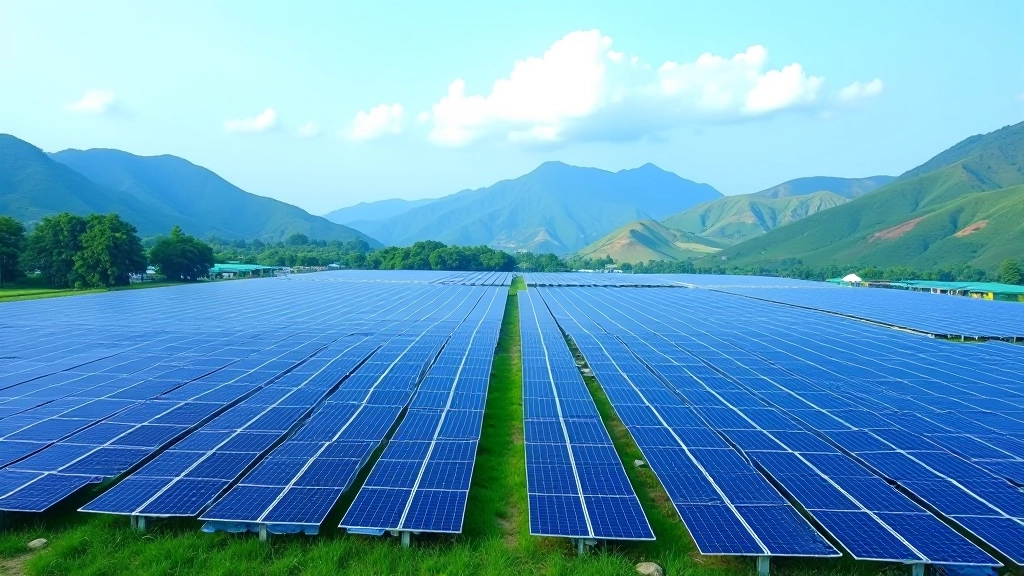
Malaysia’s economic future hinges partly on reducing dependency on oil and gas revenues. The government’s renewable energy targets — 31% of electricity from renewables by 2050, up from roughly 2% today — represent both opportunity and challenge.
Solar and wind energy don’t generate the same government revenue as oil exports. But they offer stability. Renewable costs don’t spike when geopolitical tensions disrupt supply. Over decades, the economic model shifts from extractive commodities to diversified services and manufacturing. It’s not a quick transition, though. Solar installations require upfront capital. Grid modernization takes years. Workers in oil and gas sectors need retraining and alternative opportunities.
The renewable shift also changes inflation dynamics. Once solar capacity reaches scale, electricity prices stabilize independent of global crude markets. Manufacturing costs become more predictable. Consumer prices stabilize. That’s powerful for long-term economic planning — but the transition period creates friction and requires careful management.
The Interconnected Picture
Oil and gas pricing effects on Malaysia’s economy aren’t isolated phenomena — they’re deeply woven into government finances, inflation, consumer purchasing power, and long-term energy policy. When crude prices fluctuate, the impacts cascade: Petronas revenues shift, government spending adjusts, inflation responds, subsidies strain, and households feel the pressure.
Understanding these connections matters whether you’re a policymaker, investor, or ordinary citizen trying to understand why fuel costs and grocery prices move the way they do. The relationships are real, measurable, and increasingly complex as Malaysia navigates the transition toward renewable energy and fiscal sustainability.
The challenge ahead isn’t just managing current oil price volatility — it’s building an economic structure that doesn’t depend on volatile commodity exports. That’s a generational project, but it’s essential for Malaysia’s long-term prosperity and stability.
Educational Information Disclaimer
This article provides informational and educational content about Malaysia’s energy sector and macroeconomic relationships. The information is based on publicly available data and general economic principles. It’s not financial advice, investment guidance, or economic forecasting. Energy markets, government policies, and economic conditions change frequently. For specific decisions affecting your finances or business, consult with qualified professionals including economists, financial advisors, or policy experts. The examples and figures presented are illustrative and may not reflect current conditions.
Related Articles