




Enerpulse Malaysia Logo Enerpulse Malaysia Contact Us
Contact Us

Energy Sector and Macroeconomic Impact in Malaysia

Explore Petronas revenue dynamics, oil and gas pricing effects, renewable energy transition strategies, and energy subsidy fiscal challenges shaping Malaysia’s economic future.

Modern oil and gas refinery complex with industrial equipment, cooling towers, and pipeline infrastructure against sunset sky

Featured Articles

In-depth analysis and insights into Malaysia’s energy landscape and economic implications.

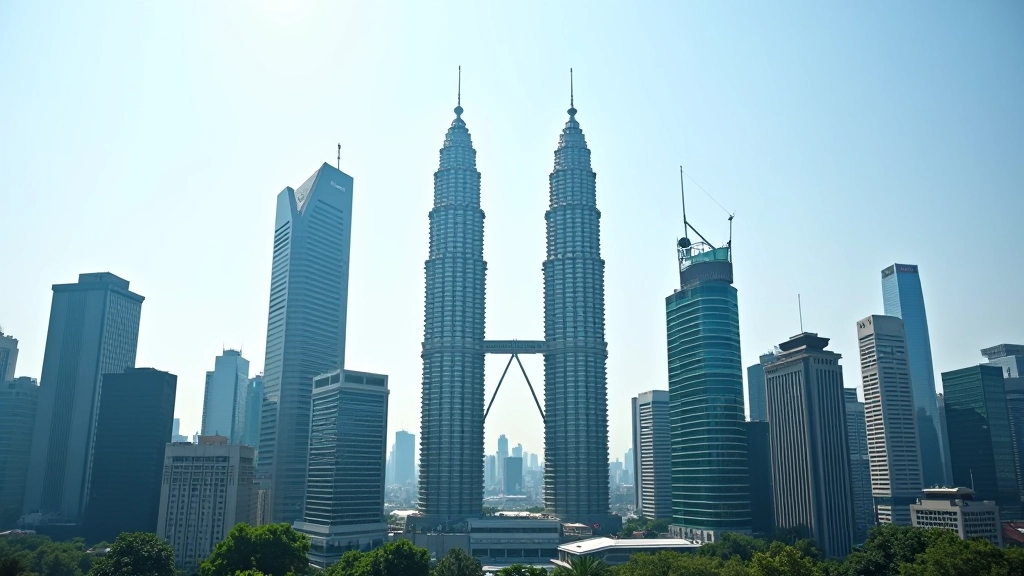
Petronas Twin Towers in Kuala Lumpur skyline with modern cityscape and clear blue sky background

Petronas Revenue Contribution and Economic Significance

How Petronas drives Malaysia’s GDP growth, government revenue streams, and strategic importance in Southeast Asia’s energy market.

10 min Intermediate March 2026
Read More
Oil pump jacks in operation across desert landscape with sunset orange lighting and industrial infrastructure

Oil and Gas Pricing Effects on Malaysia’s Economy

Understanding global commodity price fluctuations, their impact on government revenues, inflation rates, and consumer purchasing power.

9 min Intermediate March 2026
Read More
Wind turbine farm on hillside with blue sky and renewable energy infrastructure against natural landscape

Renewable Energy Transition Plans for Malaysia

Malaysia’s shift toward solar and wind power, government targets for 2030-2050, investment opportunities, and infrastructure development challenges.

11 min Advanced March 2026
Read More
Government budget document with energy subsidy charts, graphs, and financial analysis spreadsheet on desk

Energy Subsidy Fiscal Burden and Policy Reform

How energy subsidies impact government budgets, fiscal sustainability concerns, and policy recommendations for subsidy rationalization.

8 min Beginner March 2026
Read More

Key Economic Insights

Revenue Dependency

Oil and gas contribute significantly to Malaysia’s government revenue. Understanding this dependency helps explain policy decisions around energy pricing and subsidy structures.

Green Transition

Malaysia’s renewable energy goals aren’t just environmental—they’re economic strategy. The sector creates jobs, attracts investment, and reduces long-term energy costs.

Subsidy Impact

Energy subsidies provide consumer relief but strain fiscal budgets. Policymakers balance affordability with fiscal sustainability in ongoing reform discussions.

Global Markets

Commodity prices set globally but hit locally. Malaysia’s economy feels the ripple effects of international oil market volatility and geopolitical energy trends.

Understanding Malaysia’s Energy Challenge

Malaysia stands at a critical juncture. The country’s energy sector has been the backbone of economic growth for decades, with Petronas emerging as a regional powerhouse. But the landscape is shifting rapidly. Global energy markets are volatile, climate commitments are pushing toward renewables, and government budgets face mounting subsidy costs. It’s not a simple story of decline or transition—it’s complex, interconnected, and fundamentally important to understanding Malaysia’s economic future.

The challenge isn’t choosing between oil and renewables. It’s managing both responsibly. Malaysia needs to maintain the revenue streams that fund public services while building a sustainable energy infrastructure for the next generation. That means understanding how global prices affect domestic policy, how subsidies impact fiscal health, and how renewable investments can create economic opportunity alongside environmental benefits.

This collection explores these interconnections through accessible analysis. We’re not advocating for any particular policy—we’re helping you understand the facts, the trade-offs, and the real economic forces shaping Malaysia’s energy decisions. Whether you’re researching for academic work, staying informed as a citizen, or analyzing for business purposes, these articles provide grounded perspective on Malaysia’s energy sector and its macroeconomic significance.