
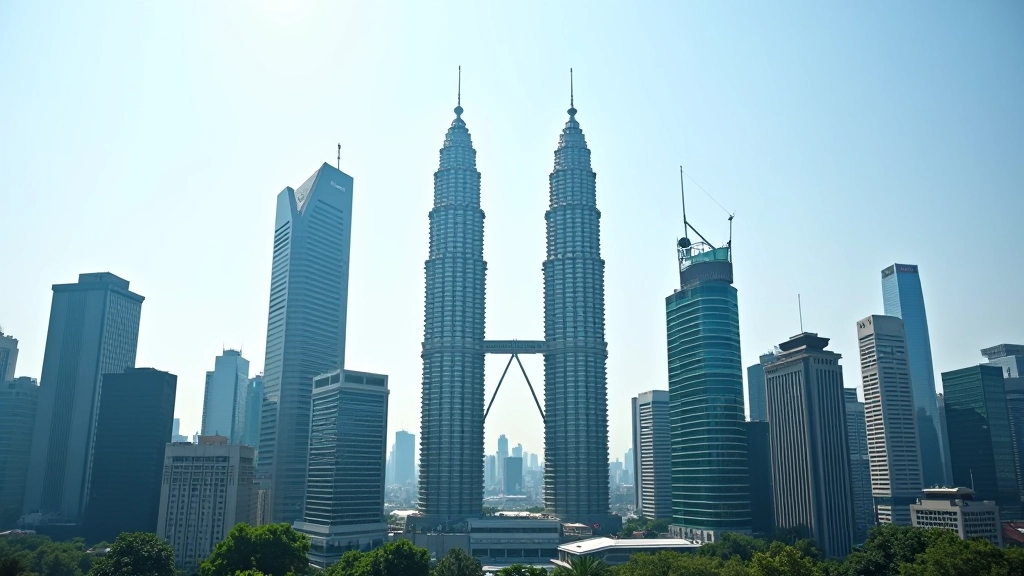
Petronas Revenue Contribution and Economic Significance
How Petronas drives Malaysia’s GDP growth, government revenue streams, and strategic importance in the energy sector.
Read MoreUnderstanding how energy subsidies impact government budgets, fiscal sustainability concerns, and policy recommendations for subsidy rationalization in Malaysia’s evolving energy landscape.

Energy subsidies sound helpful on the surface — they keep fuel prices low and make energy affordable for everyday people. But here’s the catch: governments are spending enormous amounts of money to keep prices artificially low. In Malaysia, energy subsidies have become a significant drain on public finances, consuming billions in government resources annually.
The fiscal burden isn’t just about the numbers on a spreadsheet. When governments spend heavily on subsidies, they’re making tough trade-offs. That money could go toward healthcare, education, infrastructure, or reducing national debt. Understanding subsidy costs isn’t just an economic issue — it’s about real policy choices that affect everyone.

Malaysia’s energy subsidy system has evolved significantly over the past decade. The government maintains price controls on fuel, electricity, and liquefied petroleum gas (LPG) to protect consumers from global commodity price volatility. But these protections come with substantial costs.
Between 2015 and 2024, Malaysia’s annual energy subsidy expenditures fluctuated between RM 15 billion and RM 30 billion, depending on global oil prices. When crude oil prices spike internationally, the gap between what consumers pay and actual costs widens dramatically. The government absorbs this difference. It’s not sustainable long-term, and policymakers know it.
Key fact: Energy subsidies typically represent 1-3% of Malaysia’s total government expenditure annually, making them a significant budget item competing with social spending.
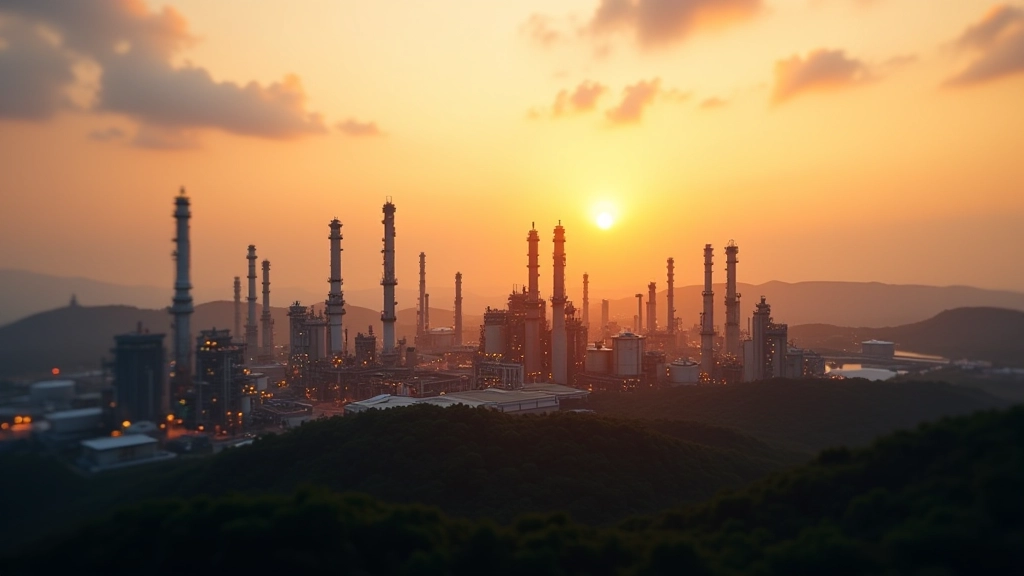

When you’re subsidizing energy, you’re essentially giving everyone a discount. Low-income families get relief, sure. But so do wealthy households and large industries. That’s one of the inefficiencies — subsidies don’t target help to those who need it most.
The fiscal impact ripples through the entire economy. Higher subsidy spending means less room in the budget for other priorities. Healthcare improvements get delayed. Education infrastructure projects face cuts. Roads and public transportation don’t get upgraded as quickly. Malaysia’s debt-to-GDP ratio has been a concern, and energy subsidies have made fiscal consolidation more difficult.
Moreover, subsidies create market distortions. When energy prices are artificially low, people consume more of it. There’s less incentive to invest in energy efficiency. Businesses that depend on cheap energy don’t adapt their practices. This dynamic makes long-term economic planning harder.
Reforming subsidies isn’t straightforward. You can’t just eliminate them overnight without causing real hardship for ordinary people. Most successful subsidy reform programs follow a phased approach that combines multiple strategies.
Incremental increases in energy prices tied to market movements, allowing consumers and businesses time to adapt without shock.
Direct assistance to low-income households instead of blanket price controls, ensuring help reaches those who truly need it.
Investment in efficiency improvements, renewable energy adoption, and industrial modernization to reduce energy demand naturally.
Other countries have gone through subsidy reform. Their experiences offer valuable lessons for Malaysia’s policymakers.
Indonesia implemented significant fuel subsidy reforms starting in 2005, gradually shifting toward market-based pricing. They faced initial protests but managed fiscal savings of over 2% of GDP. The key was accompanying reform with public communication about fiscal benefits.
Iran pursued aggressive subsidy removal in 2010, reducing energy subsidies by 90% and implementing direct cash transfers. While controversial, it freed up substantial resources for other government priorities and reduced energy waste significantly.
The UAE gradually increased energy prices while investing heavily in renewable energy and efficiency. This approach balanced fiscal concerns with economic competitiveness, avoiding disruption while building sustainable energy systems.
Energy subsidy reform isn’t about ideology — it’s about fiscal reality. Malaysia’s policymakers face a genuine constraint: they can’t indefinitely fund subsidies at current levels without compromising other critical spending. The question isn’t whether reform will happen, but how and when.
Successful reform requires several elements working together. You need transparent communication about why change is necessary. You need protection for vulnerable populations through targeted assistance. You need investment in alternatives — renewable energy, efficiency improvements, public transportation — that make higher energy prices more bearable.
The fiscal burden of energy subsidies won’t resolve itself. But with thoughtful policy design and genuine commitment to protecting those most affected, Malaysia can transition toward a more sustainable energy finance model. The alternative — maintaining unsustainable subsidies — carries its own risks for economic stability and growth.
Deepen your understanding of Malaysia’s energy sector and economic impacts.


This article provides educational information about energy subsidy systems, fiscal policy, and economic impacts in Malaysia. It’s intended to help readers understand the policy landscape and various reform approaches discussed by economists and policymakers. The information presented represents general analysis and does not constitute financial, economic, or policy advice. Economic data and statistics are based on publicly available sources and represent conditions as of the publication date. Policy recommendations and reform approaches discussed are illustrative of approaches used globally and should not be considered endorsements of specific policies. For specific policy guidance or detailed economic analysis relevant to particular circumstances, please consult with qualified economists, financial advisors, or relevant government resources. Energy markets are complex, and actual impacts of policy changes depend on numerous factors and implementation details.