
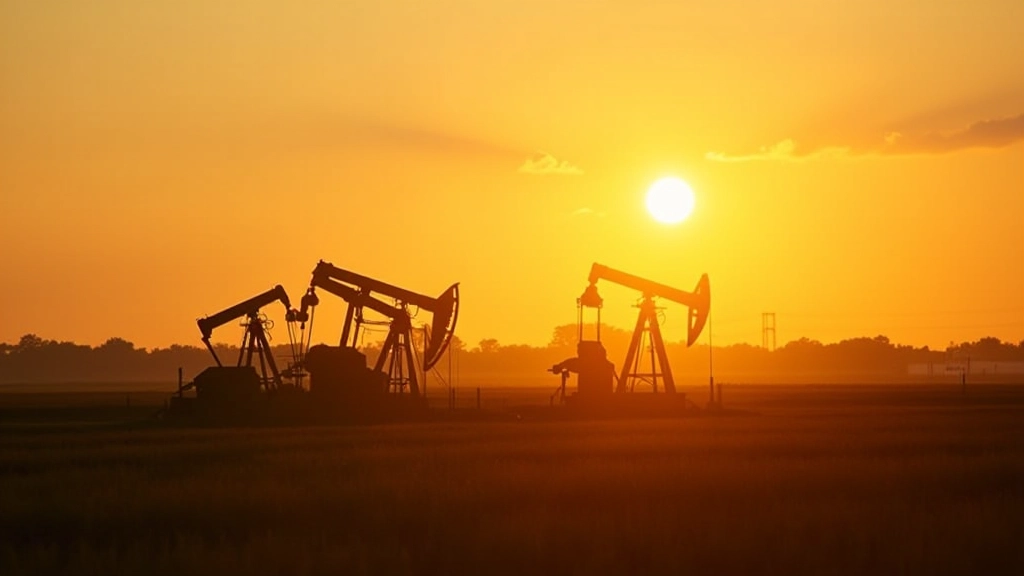
Oil and Gas Pricing Effects on Malaysia’s Economy
Understanding global commodity price fluctuations, their impact on government revenues, and how Malaysia manages fiscal volatility from energy markets.
Read ArticleHow Malaysia’s national oil and gas company drives GDP growth, government revenue streams, and strategic importance in Southeast Asia’s energy market

Petronas isn’t just an energy company — it’s one of Malaysia’s most critical economic engines. Since its establishment in 1974, the national petroleum corporation has evolved into a global energy powerhouse, operating across 80+ countries and generating substantial returns for the Malaysian government. The company contributes significantly to federal revenues through taxes, royalties, and dividends, making it central to Malaysia’s fiscal health.
What makes Petronas’s role even more significant is how its performance directly affects government spending capacity. When oil and gas prices rise, Petronas generates surplus revenues. When prices fall, the government faces budget pressures. This dynamic makes understanding Petronas’s financial contribution essential for grasping Malaysia’s economic trajectory and policy decisions around energy subsidies, infrastructure investment, and development programs.
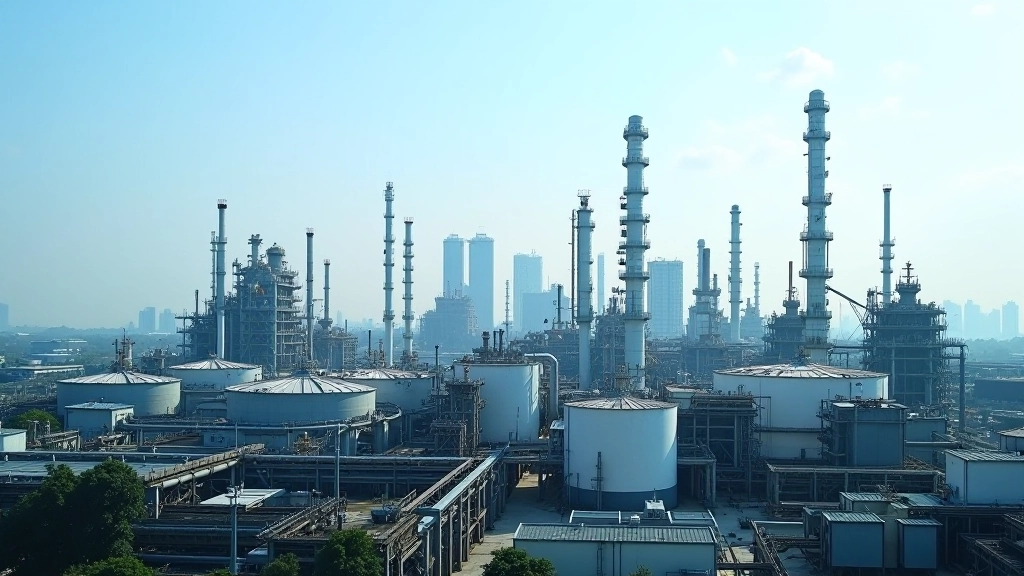
Petronas channels money to Malaysia’s government through multiple streams. First, there’s the petroleum income tax — companies like Petronas pay corporate tax on profits, which flows directly into federal coffers. Second, there’s the petroleum royalty, which is a percentage of the value extracted from Malaysia’s oil and gas resources. These aren’t small amounts. In strong years, Petronas can contribute between RM30-50 billion to government revenue, though this varies significantly based on global commodity prices.
Beyond direct taxes and royalties, Petronas also pays dividends to the government as its majority shareholder. The company’s exploration and production activities also generate employment — directly employing over 40,000 people and supporting hundreds of thousands more in supply chain and service industries. When you include indirect economic activity, Petronas’s total economic footprint expands considerably, affecting everything from port operations to manufacturing and logistics.

Petronas’s reach extends far beyond Malaysia’s borders, shaping regional energy markets and investment patterns
Operating in over 80 countries across five continents, Petronas is Southeast Asia’s largest energy company by market capitalization. This international presence generates foreign exchange earnings and positions Malaysia as a key player in global energy markets.
The oil and gas sector, dominated by Petronas, accounts for roughly 3-5% of Malaysia’s total GDP in most years. During periods of high oil prices, this percentage increases, sometimes reaching 6-7% of national output.
Petronas’s liquefied natural gas (LNG) exports make Malaysia one of the world’s largest LNG exporters. These exports generate substantial foreign exchange, supporting the ringgit’s value and funding national development initiatives.
The company supports thousands of suppliers, contractors, and service providers. This ecosystem spans engineering firms, equipment manufacturers, and logistics companies throughout Malaysia and the region.
Here’s where things get complicated. Petronas’s revenue isn’t stable — it’s directly tied to global crude oil and natural gas prices, which fluctuate constantly. When Brent crude traded above $100 per barrel in 2021-2022, Petronas’s revenues soared, allowing Malaysia to fund infrastructure projects and reduce budget deficits. When prices dropped to $40-60 per barrel in 2020, government revenues from Petronas contracted sharply, creating fiscal challenges.
This price volatility creates planning difficulties for policymakers. They can’t simply budget based on Petronas revenues because those revenues swing wildly. A 20% drop in oil prices can translate to RM10-15 billion less in annual government revenue. That’s why many economists argue Malaysia should diversify its revenue sources and reduce dependency on a single commodity. The government’s energy subsidy program — which keeps domestic fuel prices artificially low — becomes even more problematic during low-price periods when Petronas revenues decline but subsidies consume more budget resources.

Malaysia’s energy future and Petronas’s evolving role in a carbon-conscious world
Petronas faces a fundamental challenge: the world’s energy system is shifting toward renewables. Malaysia has set a target of 31% renewable energy capacity by 2025 and 40% by 2035. This transition directly impacts Petronas’s long-term revenue potential. The company isn’t ignoring this reality — it’s investing in renewable projects, though oil and gas still represent the vast majority of its operations and revenue.
The tension is real. Government budgets depend on Petronas revenues. Expanding renewable energy reduces fossil fuel demand. Yet Malaysia also recognizes that continuing to rely solely on oil and gas exports leaves the country vulnerable to price shocks and international pressure to transition away from carbon-intensive energy sources. Petronas’s ability to transition successfully — maintaining revenue while diversifying into renewables — will determine Malaysia’s economic stability over the next two decades.

Malaysia’s government has long subsidized domestic energy prices to keep fuel affordable for citizens. When Petronas generates high revenues from global sales, the government uses some of that money to subsidize domestic fuel prices. This creates a peculiar dynamic: Malaysian consumers pay below-market prices for fuel, while the government transfers the difference from Petronas revenues.
During 2022, when global oil prices surged, Malaysia’s fuel subsidies ballooned to unprecedented levels — consuming over RM40 billion from the budget. This subsidy burden crowded out spending on education, healthcare, and infrastructure. The government faces a tough choice: allow domestic fuel prices to rise to market levels (politically unpopular) or continue massive subsidies that drain fiscal resources. This dilemma illustrates why Petronas’s economic significance extends beyond simple revenue generation — it’s deeply intertwined with difficult policy tradeoffs around affordability, fiscal sustainability, and energy transition.

Petronas’s economic significance isn’t diminishing anytime soon. Even as renewables grow, global energy demand remains high, and Malaysia possesses valuable oil and gas reserves. The company will likely remain a major revenue contributor for the Malaysian government throughout the 2020s and 2030s. However, the trajectory is uncertain. Petronas’s revenues will depend on global commodity prices, the pace of renewable adoption, and the company’s success in transitioning its business model.
For policymakers, the challenge is clear: use Petronas revenues strategically while they’re available, invest in economic diversification to reduce dependency on a single commodity, and manage the transition to renewable energy thoughtfully. Malaysia can’t simply shut down oil and gas production overnight — the fiscal impact would be catastrophic. But neither can it ignore the inevitable long-term shift in global energy markets. Petronas’s economic significance ultimately depends on how well Malaysia manages this complex balancing act over the coming decades.
“The oil and gas sector has been crucial to Malaysia’s development, but our future prosperity depends on diversifying beyond commodities and building a more resilient economy.”
— Economic Policy Analysis, 2026
This article provides educational information about Petronas’s role in Malaysia’s economy, oil and gas pricing dynamics, and energy policy considerations. The content is intended for informational purposes only and doesn’t constitute financial, investment, or policy advice. Revenue figures, GDP contributions, and economic projections are based on publicly available data and general economic analysis, but actual results may vary. Energy markets are complex and influenced by numerous factors beyond Petronas’s control. For specific financial decisions or policy guidance, consult with qualified economic advisors or official government resources.