
Renewable Energy Transition Plans for Malaysia
Understanding Malaysia’s shift toward solar and wind power, government targets through 2050, and the infrastructure challenges ahead.

Why Malaysia’s Energy Shift Matters
Malaysia’s energy landscape is changing. For decades, the country relied heavily on fossil fuels — oil, natural gas, and coal powered everything from factories to homes. But that’s shifting. The government’s committed to increasing renewable energy capacity, and it’s not just about environmental goals. It’s about economic stability, energy security, and positioning Malaysia as a competitive player in the clean energy economy.
The transition isn’t simple. It’s complicated by infrastructure needs, investment requirements, and the reality that fossil fuels still dominate. Yet the momentum is real. Solar installations are expanding, wind projects are in development, and policymakers are creating frameworks to make renewables viable. Understanding this transition helps you see where Malaysia’s energy future is heading.
Government Targets and Timeline
Malaysia’s renewable energy roadmap spans three decades with specific capacity goals.
31% Renewable Energy
The government aims for renewable sources to comprise roughly one-third of the energy mix. That’s a significant jump from current levels and requires substantial solar and wind capacity additions across the peninsula and Sabah/Sarawak.
40% Renewable Energy
By 2040, the target increases to 40%. This requires sustained investment in solar farms, wind energy projects, and energy storage solutions. Hydroelectric power from existing facilities continues as a backbone resource.
Net-Zero Emissions
The long-term vision targets net-zero greenhouse gas emissions by 2050. This’s the most ambitious phase, requiring transformation across energy generation, transportation, and industrial sectors.
Solar Power: The Leading Technology
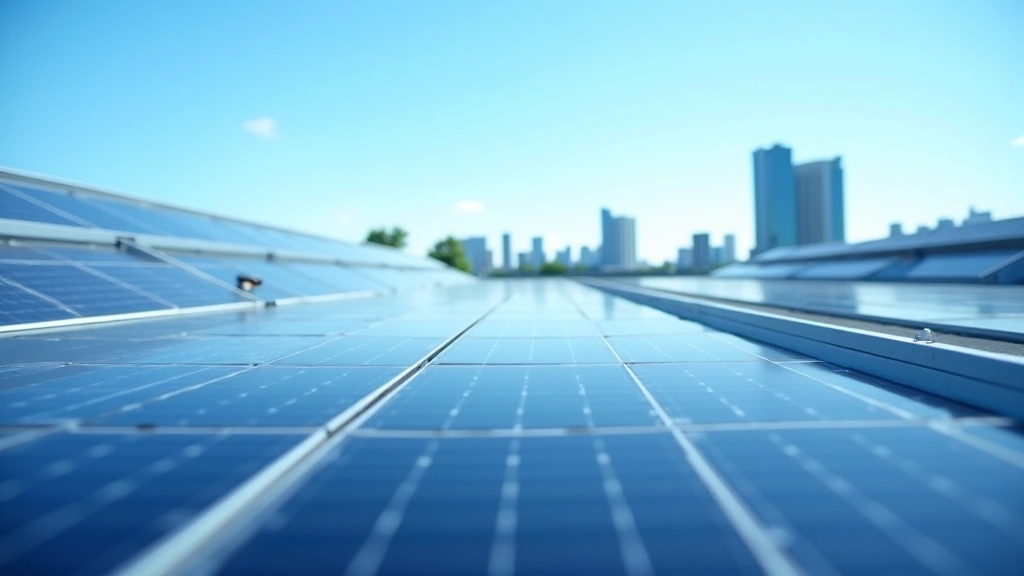
Solar energy dominates Malaysia’s renewable strategy. The country sits near the equator, receiving consistent sunlight year-round — about 4.5 to 5.5 hours of peak sun daily. That’s ideal for photovoltaic installations. Unlike seasonal wind patterns, solar output is predictable, making it easier to integrate into the grid.
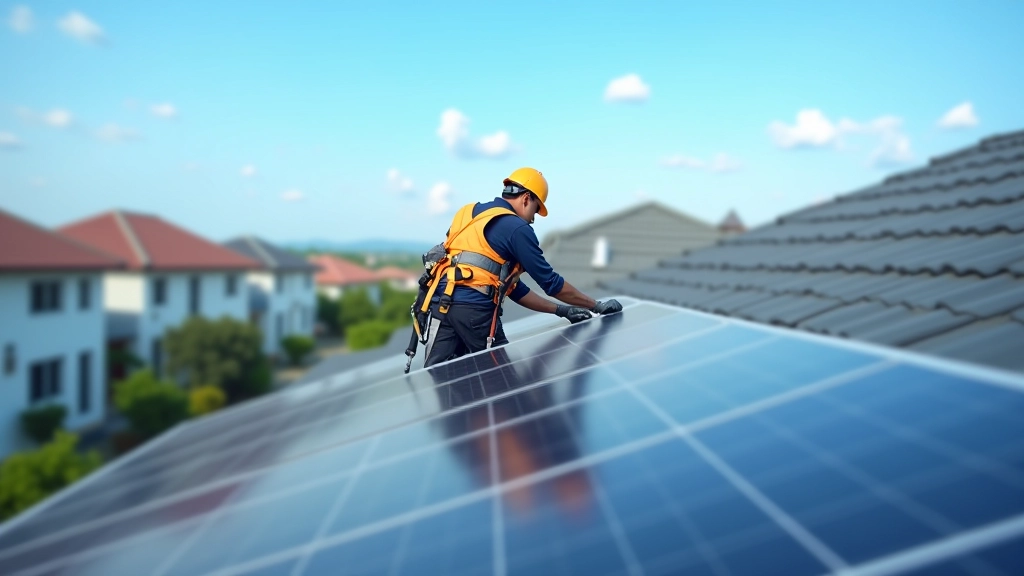
Currently, solar accounts for roughly 30% of Malaysia’s renewable capacity. But here’s what’s expanding: rooftop systems on commercial buildings, utility-scale farms in Perak and Johor, and floating solar installations on reservoirs. The Selangor Solar City initiative and similar regional programs are pushing adoption. Costs have dropped dramatically too — solar panel prices fell 90% over the last decade, making projects more economically viable.
Why Solar Works in Malaysia
- Consistent equatorial sunlight year-round
- Rapidly declining technology costs
- Minimal land competition compared to agriculture
- Scalable from rooftops to utility-scale farms
Wind Energy: Offshore Potential
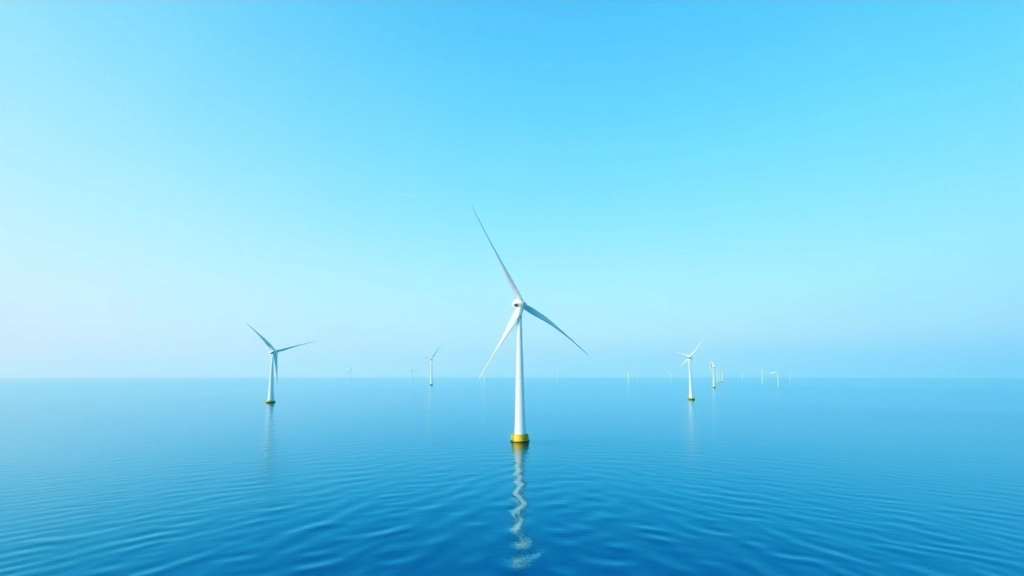
Wind energy represents the next frontier. Malaysia’s coastlines, particularly along the eastern coast and offshore areas, have wind resources that aren’t fully tapped yet. Offshore wind farms can generate significantly more power than onshore installations because ocean winds are stronger and more consistent. The country’s been exploring projects off the coast of Terengganu and Sabah.
Currently, wind comprises a smaller share of renewable capacity compared to solar. But that’s changing. Several projects in development stages could add hundreds of megawatts to the grid. The challenge? Offshore infrastructure requires massive upfront capital — turbines, marine installations, grid connections. Plus, typhoon seasons require robust design. Still, developers see this as critical for meeting 2030 targets because wind complements solar: winds peak during monsoon seasons when solar output dips.
Solar Advantages
Lower costs, faster deployment, rooftop flexibility, proven technology.
Wind Advantages
Higher capacity factors, seasonal complement to solar, enormous growth potential.
Real Infrastructure Challenges
The transition faces substantial obstacles that need solving.
Grid Stability and Storage
Solar and wind are intermittent — the sun doesn’t shine at night, wind doesn’t blow constantly. Malaysia’s grid needs battery storage systems and smart management to balance supply with demand. Current battery capacity’s limited, making this a significant bottleneck.
Transmission Infrastructure
New generation sites (solar farms, wind turbines) aren’t always near population centers. Upgrading transmission lines to connect remote renewable installations to urban grids requires billions in investment and years of construction.
Fossil Fuel Transition
Coal and natural gas plants can’t simply shut down overnight. Utilities depend on these assets for reliable baseload power. Phasing them out while maintaining grid reliability is a delicate balancing act that takes decades.
Land Use and Environmental Concerns
Large-scale solar and wind projects need significant land or marine areas. There’s tension between renewable development and conservation, agriculture, and local communities’ interests.
Investment Opportunities and Economics
Malaysia’s renewable energy transition creates opportunities. The government’s established the Malaysian Green Investment Bank and introduced Green Investment Tax Incentives. Companies investing in solar, wind, and energy storage can access tax breaks and accelerated depreciation schedules.
Private sector participation’s essential. Utilities, independent power producers, and corporate buyers are increasingly signing power purchase agreements for renewable energy. Large corporations — from manufacturing to retail — are committing to renewable power targets, creating demand for new capacity.
“The renewable energy sector isn’t just environmental necessity — it’s becoming economically rational. Costs have fallen so much that solar and wind are competitive with fossil fuels on price alone.”
— Energy industry analysis, 2026

The Path Forward
Malaysia’s renewable energy transition is ambitious but achievable. The 31% target for 2030 requires accelerated deployment, but it’s within reach given current solar expansion rates and emerging wind projects. The longer timeline to 2050 allows for grid infrastructure improvements and technology evolution.
What’s clear: this transition won’t be smooth. It’ll require sustained government policy, substantial private investment, technological innovation, and careful management of the shift away from fossil fuels. But the direction’s set. Solar and wind aren’t future energy sources in Malaysia anymore — they’re becoming present-day reality.
For investors, businesses, and policymakers, understanding this transition’s essential. It’s reshaping Malaysia’s energy sector, creating opportunities, and posing challenges that’ll define the next 25 years of the country’s economic development.
Want to Learn More?
Explore related articles on Malaysia’s energy sector, Petronas’ role in the economy, and policy impacts.
Browse Energy Sector ArticlesInformation Disclaimer
This article provides educational information about Malaysia’s renewable energy transition plans and energy sector. It’s based on publicly available government targets, policy announcements, and industry analysis current as of March 2026. Energy policy, capacity targets, and implementation timelines can change based on political decisions, economic conditions, and technological developments. The information here shouldn’t be considered investment advice or a guarantee of future outcomes. Energy infrastructure projects face uncertainties including regulatory changes, cost fluctuations, and unforeseen technical challenges. For specific investment decisions or business planning related to Malaysia’s energy sector, consult with energy sector experts, financial advisors, and current government sources.
Petronas Revenue Contribution and Economic Significance
How Petronas drives Malaysia’s GDP growth, government revenue streams, and strategic importance in the regional energy market.

Oil and Gas Pricing Effects on Malaysia’s Economy
Understanding global commodity price fluctuations, their impact on government revenue, and economic stability in Malaysia.

Energy Subsidy Fiscal Burden and Policy Reform
How energy subsidies impact government budgets, fiscal sustainability concerns, and ongoing policy reform discussions.